
What is Depression?

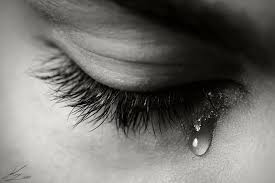
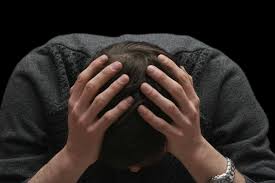
Depression is not a passing blue mood, but rather it is commonly experienced by people as persistent feelings of sadness and worthlessness, and a lack of desire to participate in formerly enjoyable activities. It is a complex mind/body condition, can be treated with a combination of medication (anti-depressants) and/or therapy.
Depression is a condition that involves the body, mood, and thoughts. It interferes with daily life, normal functioning, and causes pain for both the person experiencing depression and those who care about them.
Depression is not the same as a passing blue mood. It is not a sign of personal weakness or a condition that can be willed or wished away. People living with depression cannot merely "pull themselves together" and get better. Without treatment, symptoms can last for weeks, months, or years. Depression is a common but serious condition, and most people who experience it need treatment to get better. Appropriate treatment, however, can help most people who suffer from depression.
Depression comes in different forms, just as is the case with other illnesses such as heart disease. There are also variations in the number of symptoms, as well as their severity and persistence.
Major depression is manifested by a combination of symptoms that can interfere with a person's ability to work, study, sleep, eat, and enjoy once pleasurable activities. Such a disabling episode of depression may occur only once but more commonly occurs several times in a lifetime.
Depression is a condition that involves the body, mood, and thoughts. It interferes with daily life, normal functioning, and causes pain for both the person experiencing depression and those who care about them.
Depression is not the same as a passing blue mood. It is not a sign of personal weakness or a condition that can be willed or wished away. People living with depression cannot merely "pull themselves together" and get better. Without treatment, symptoms can last for weeks, months, or years. Depression is a common but serious condition, and most people who experience it need treatment to get better. Appropriate treatment, however, can help most people who suffer from depression.
Depression comes in different forms, just as is the case with other illnesses such as heart disease. There are also variations in the number of symptoms, as well as their severity and persistence.
Major depression is manifested by a combination of symptoms that can interfere with a person's ability to work, study, sleep, eat, and enjoy once pleasurable activities. Such a disabling episode of depression may occur only once but more commonly occurs several times in a lifetime.
More About Depression: